


Impact Trade: A Direct Approach to Ethical Coffee Sourcing
At Amokka®, we believe that great coffee should benefit not just those who drink it but also those who grow it. That’s why we created Impact Trade a sourcing model that prioritizes long-term partnerships, fair pricing, and direct investment in farming communities. Instead of relying on third-party certifications, we work directly with producers, paying higher prices for quality coffee and supporting community-driven initiatives that make a tangible difference.
Through Impact Trade, we contribute to projects such as education, clean water access, infrastructure improvements, and sustainability efforts—always in collaboration with farmers to ensure the support goes where it’s needed most. By fostering transparency and local ownership, we help create a supply chain where quality and ethical responsibility go hand in hand.

Our Impact Trade Commitments
1. Supporting Coffee Communities
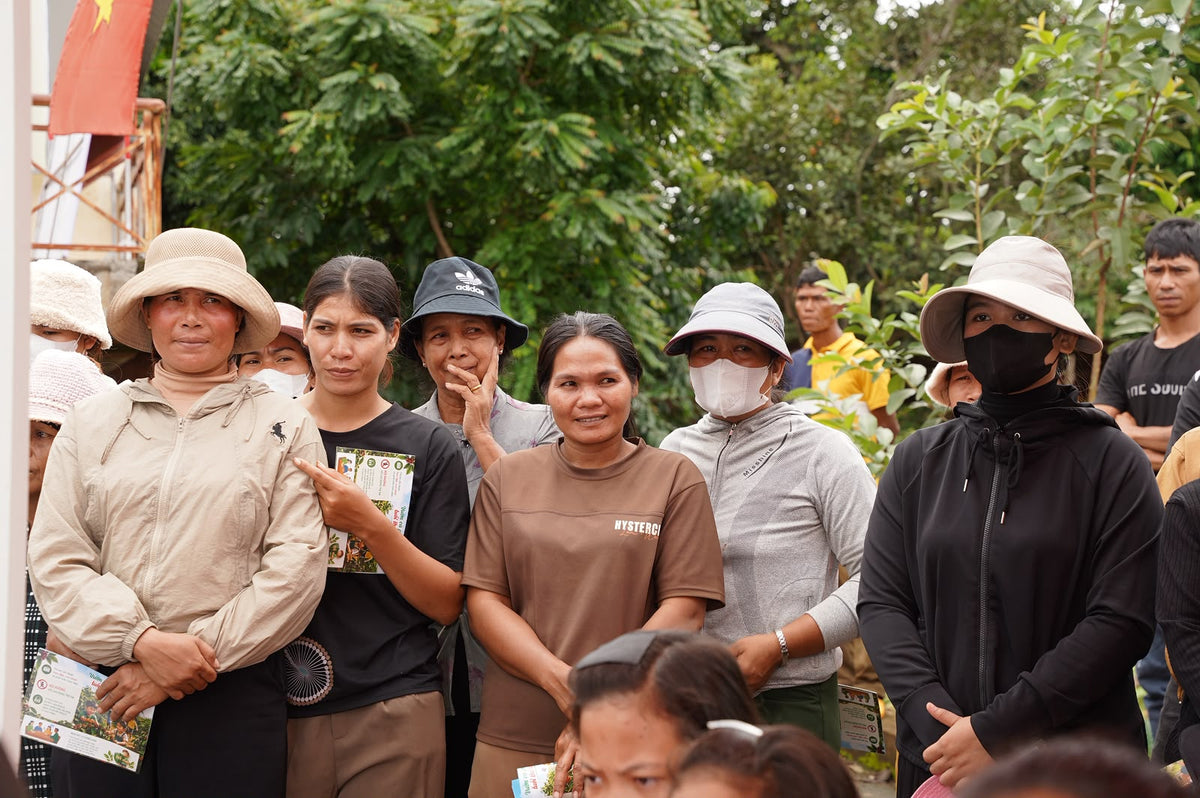
A portion of every kilo of coffee purchased goes toward projects that improve infrastructure, education, or farmer livelihoods. By working directly with coffee-growing communities, we ensure these initiatives are locally driven and have lasting impact.
2. Building Long-Term Partnerships
Our relationships with farms and cooperatives are based on trust and shared growth. We pay fair prices, promote sustainable farming practices, and uphold ethical labour standards to support both economic and environmental stability.
3. Ensuring Transparency and Accountability
All our coffee is fully traceable, sourced responsibly, and aligned with international ethical and sustainability standards. This includes protecting Indigenous rights and maintaining deforestation-free production.

In Indonesia we have supported the construction of concrete pathways in coffee-producing villages, replacing muddy trails with safer, more accessible roads. These improvements have helped farmers transport coffee cherries more efficiently, especially during harvest season, while also benefiting the wider community.
Why Impact Trade Instead of Certification?
Certification programs like Fairtrade and Rainforest Alliance have raised awareness about ethical sourcing, but they operate within fixed frameworks that don’t always fit the realities of speciality coffee production.
Rather than paying for certification labels, we take a more direct approach—negotiating higher prices for quality coffee, maintaining close relationships with farmers, and investing in targeted community projects like clean water access and education. This allows us to support producers in ways that are more flexible, transparent, and effective.
In Mexico, we have partnered with rural communities in Chiapas to address the growing education gap through the Connecting Schools initiative. This project aims to provide satellite internet access to schools and surrounding households in areas with no existing internet or communication infrastructure.
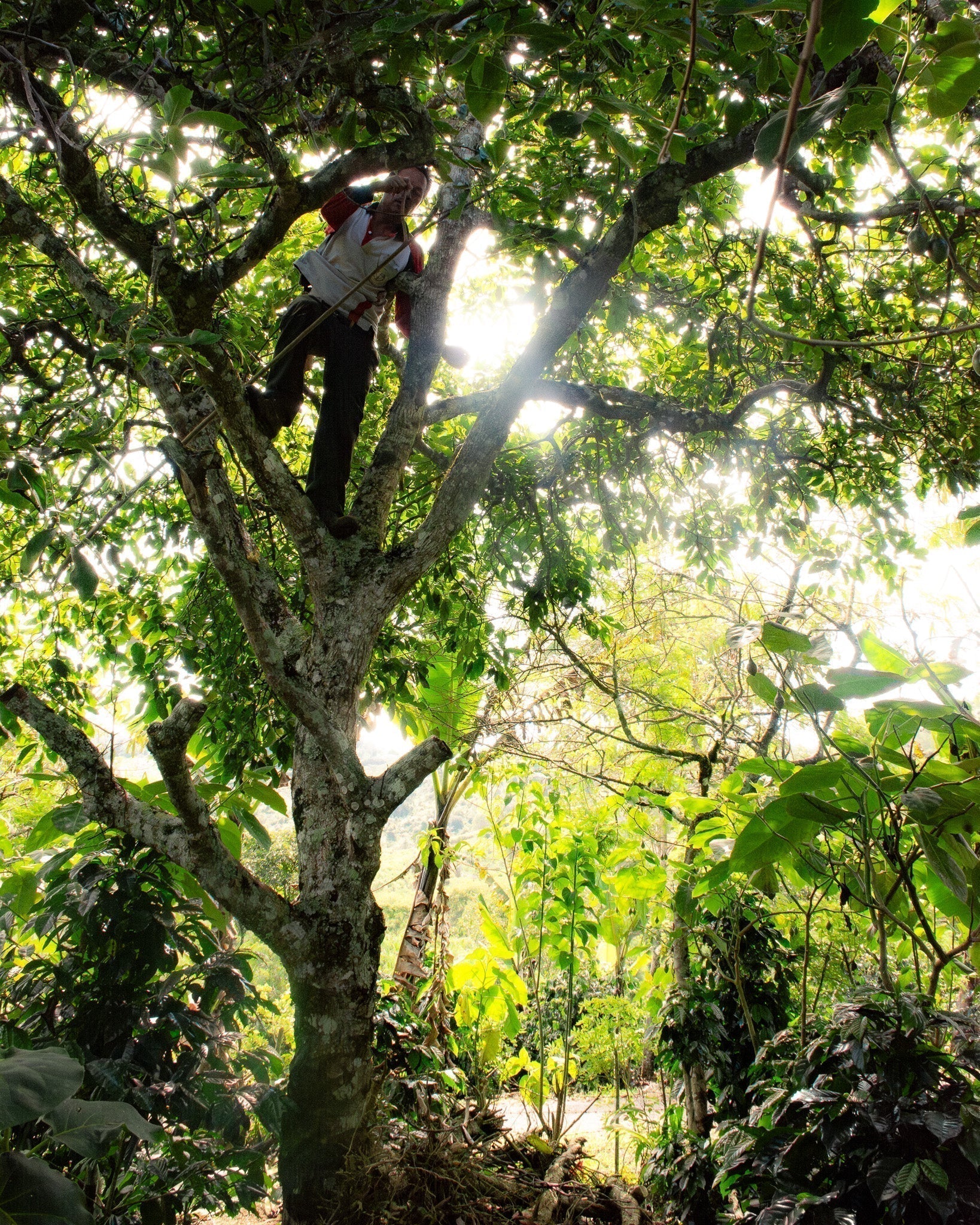
This is a picture from Finca Jesper in Nicaragua. Since 2018, we have been working in Nicaragua to advance sustainability and improve coffee production. Our projects began with CO2-neutral water pumps and solar-powered coffee processing, reducing dependence on diesel and lowering environmental impact.
Discover the coffees we roast and learn more about the Impact Trade projects behind our relationships.



Leave a comment
This site is protected by hCaptcha and the hCaptcha Privacy Policy and Terms of Service apply.