
Article: Robusta from Vietnam: coffee from Dak Lak and Impact Trade
Robusta from Vietnam: coffee from Dak Lak and Impact Trade
Robusta makes up a small part of our range, but it has a clear role. In blends such as Gorgona and City Roast, it adds body, intensity and a more traditional coffee character.
Why we use Robusta
Robusta naturally contains more caffeine than Arabica and often has a more intense, rustic flavour. Its reputation has also been shaped by poor harvesting and processing, rather than the plant alone. We have used high-quality Robusta for many years. Finding that quality consistently, with a clear picture of where the coffee comes from, has been more difficult.
Much of the world's Robusta is traded in large commercial volumes, with coffee from many farms mixed together. Even with good suppliers, availability, quality and pricing can change considerably from one year to the next. We wanted a more stable relationship, better traceability and the possibility of working with the same farmers over several harvests.
A partner in Dak Lak
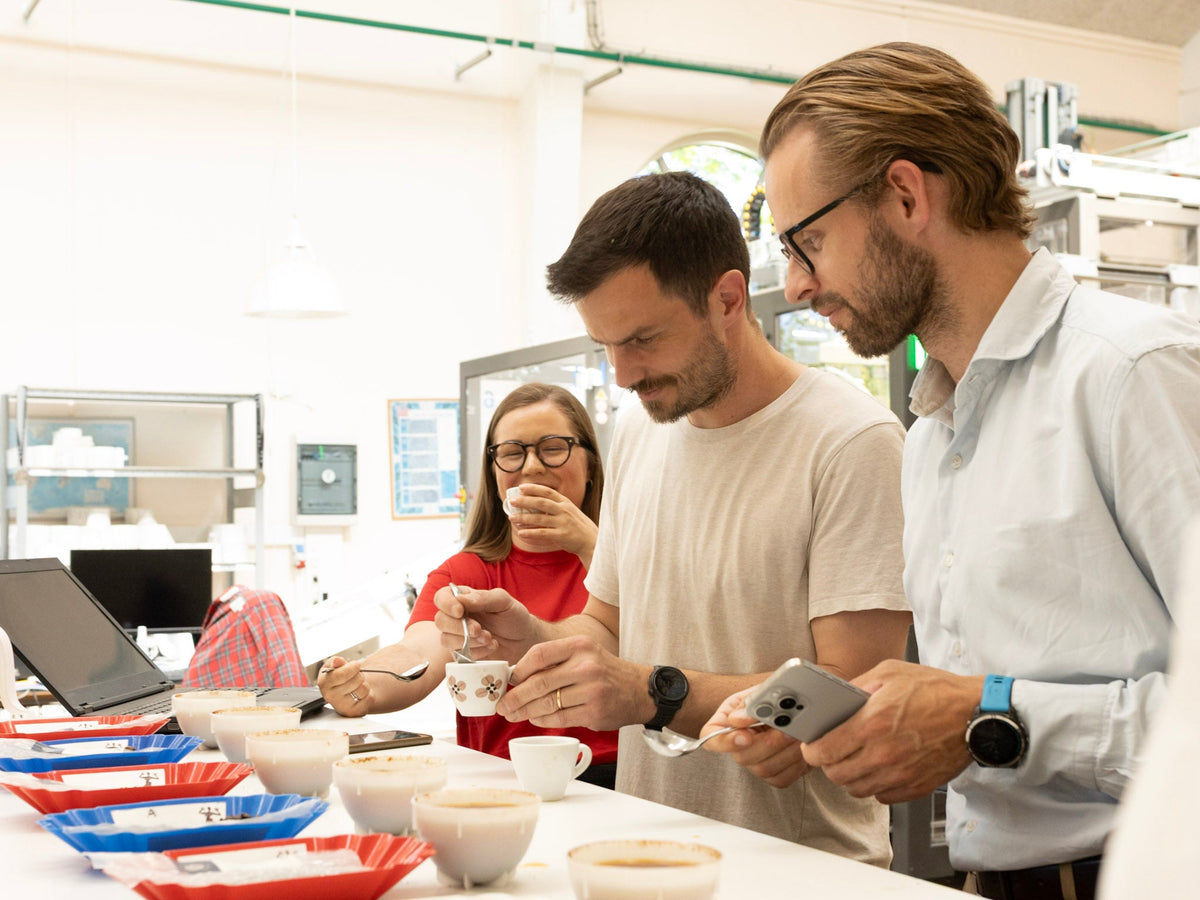
After many conversations and cuppings, we began working with Simexco Dak Lak in Vietnam. Based in Buon Ma Thuot in the Central Highlands, Simexco works with a large network of coffee farmers and has field staff and established systems for traceability.
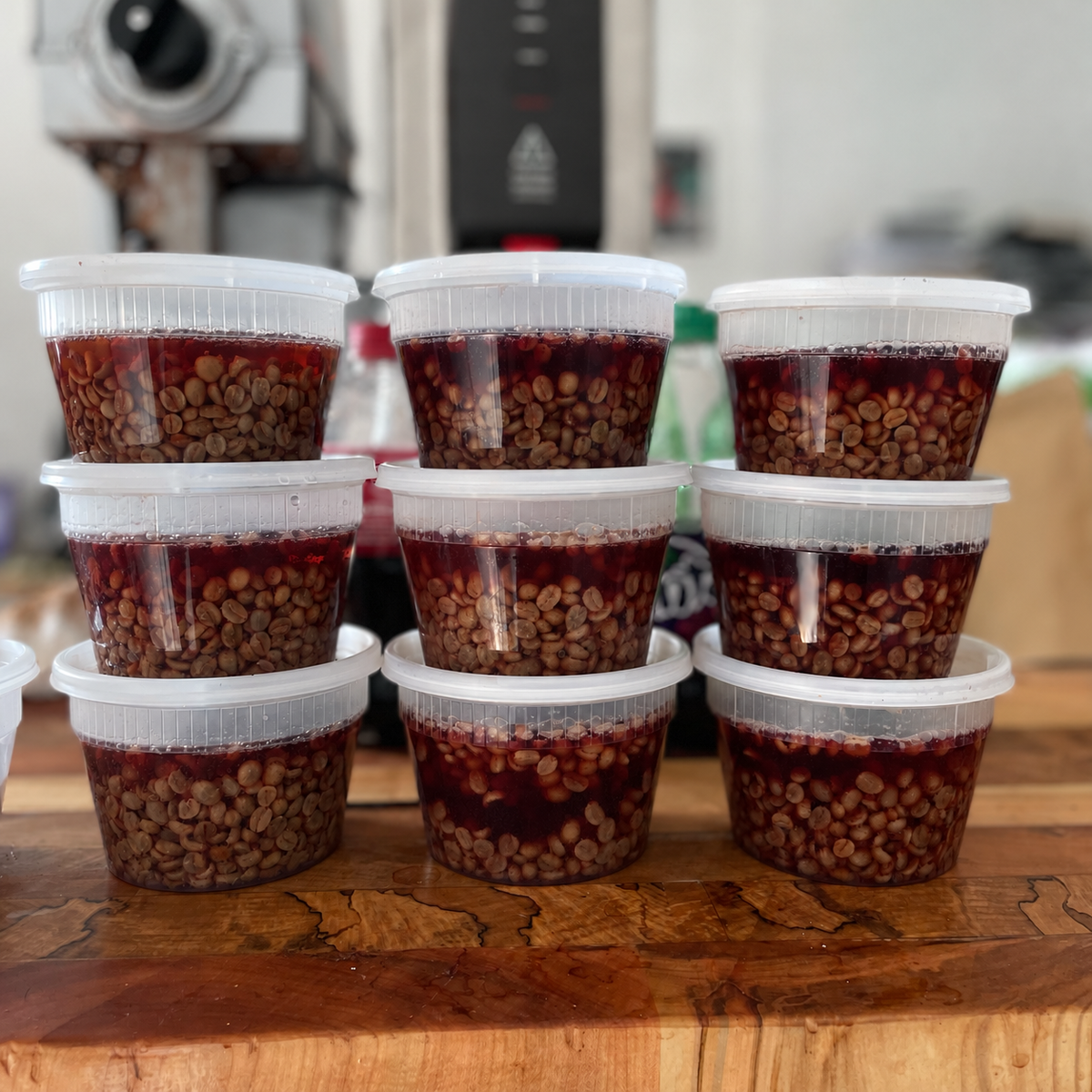
It is a larger organisation than most of our producing partners. For this coffee, that structure helps us work with a consistent sourcing network over time. The wet-polished Robusta we buy is selected for its larger beans and packed with sealed inner bags to protect the green coffee during transport.
In the cup, it is clean and sweet while retaining the body and intensity we want from Robusta. It is the small Vietnamese component in Gorgona, alongside Arabica from Brazil and Nicaragua.
Impact Trade in Ea Nuol
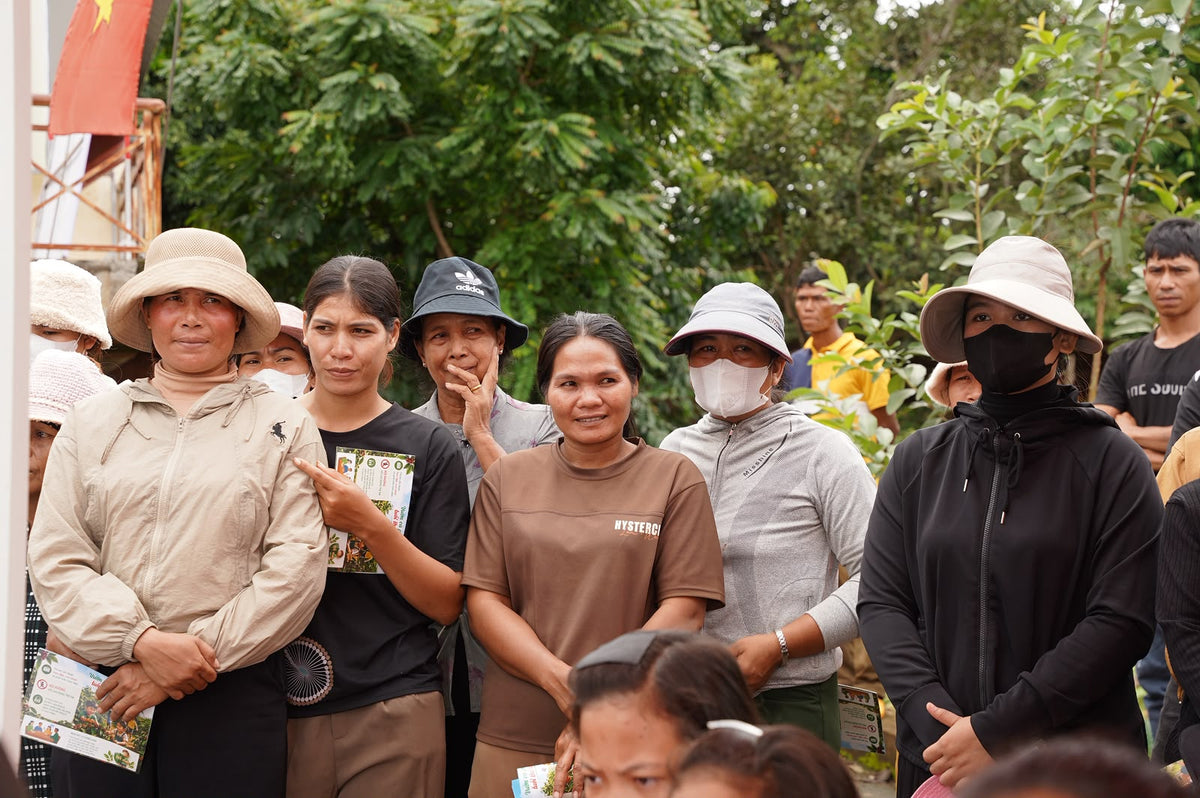
The relationship has also made it possible to include this coffee in our Impact Trade work. In summer 2026, a programme in Ea Nuol commune, Dak Lak involved around 300 coffee-farming households.
Training covered soil health, water use, responsible use of agricultural inputs and certification requirements. Workshops also addressed child labour prevention and safety during the harvest.
Practical support included bio-organic fertiliser for 90 farming households. Local children received notebooks, stationery and drawing materials.

Continuity matters
Simexco managed the project with a defined budget, timetable and reporting requirements. Having a partner with staff and systems already in place gave us confidence in how the work would be carried out.
For us, choosing Robusta involves the same questions as choosing any other coffee: how it tastes, where it comes from and whether we can build a reliable relationship over time.

Leave a comment
This site is protected by hCaptcha and the hCaptcha Privacy Policy and Terms of Service apply.