


ROASTED COFFEE BEANS
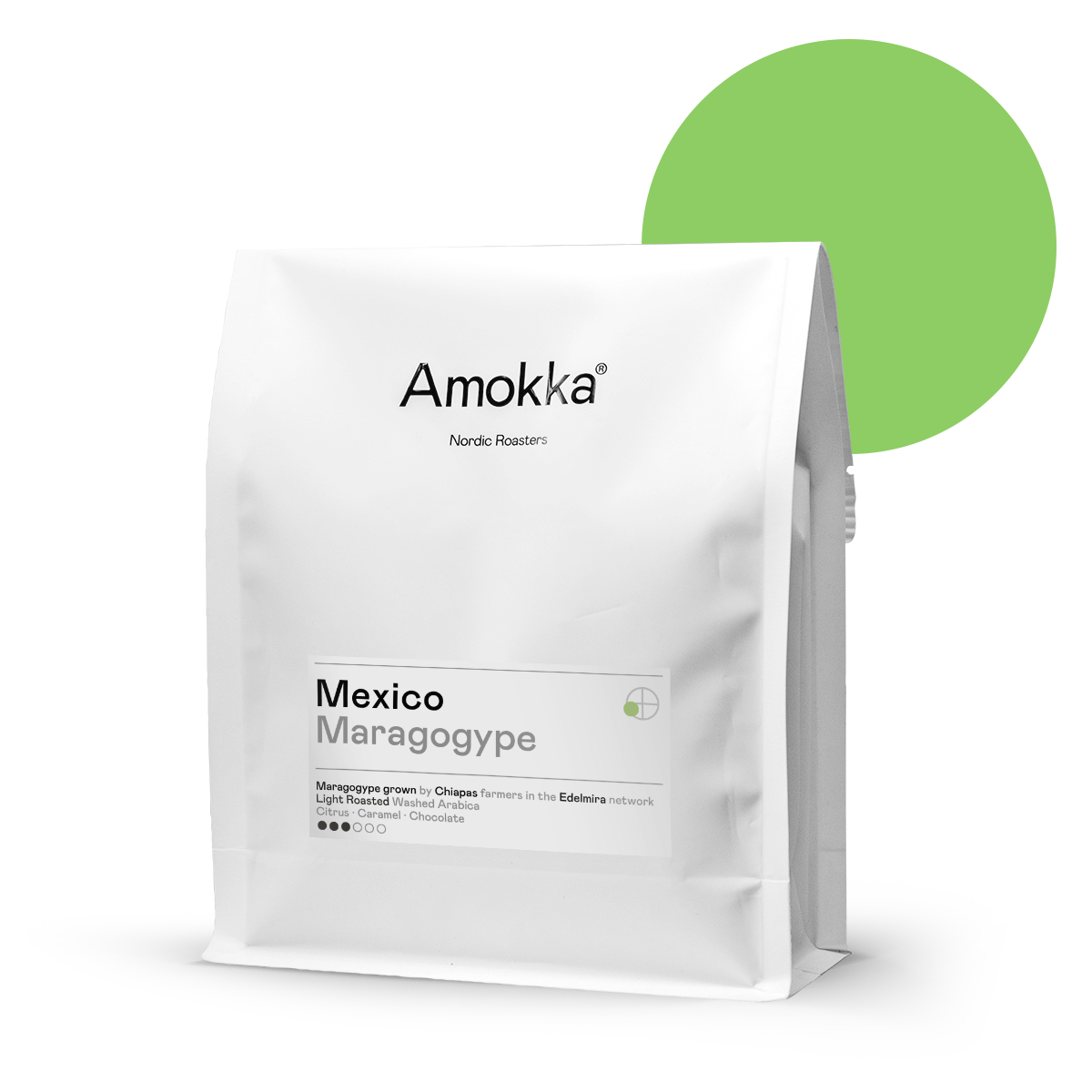
Mexico Maragogype
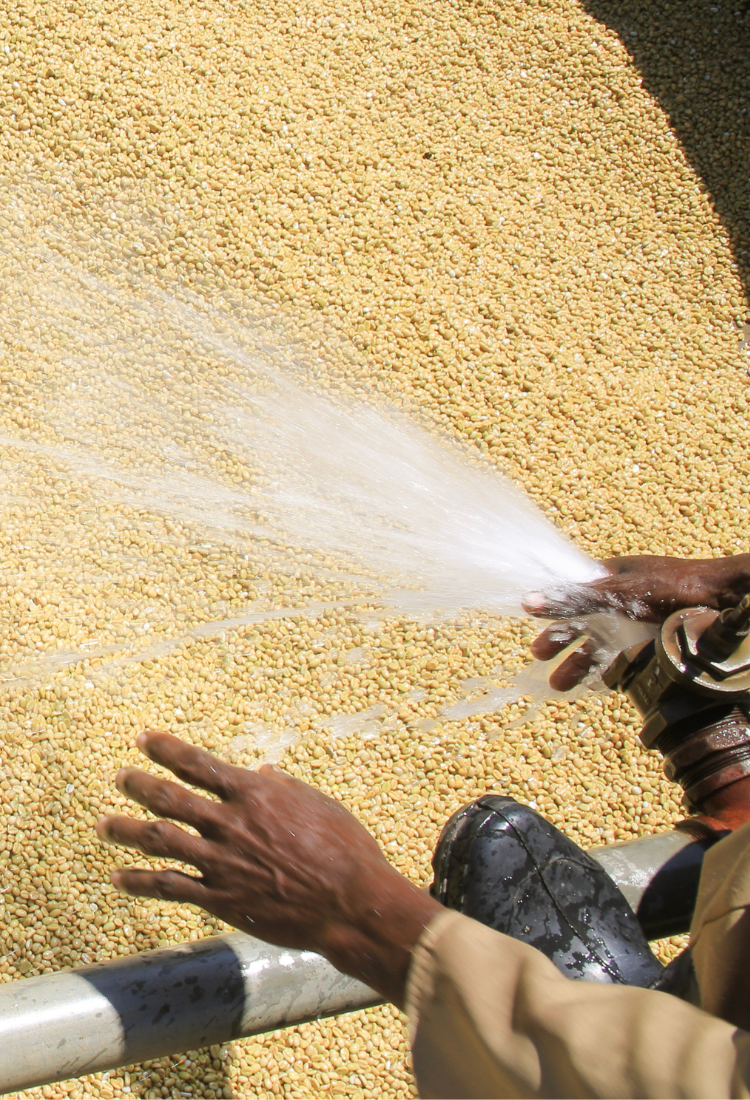
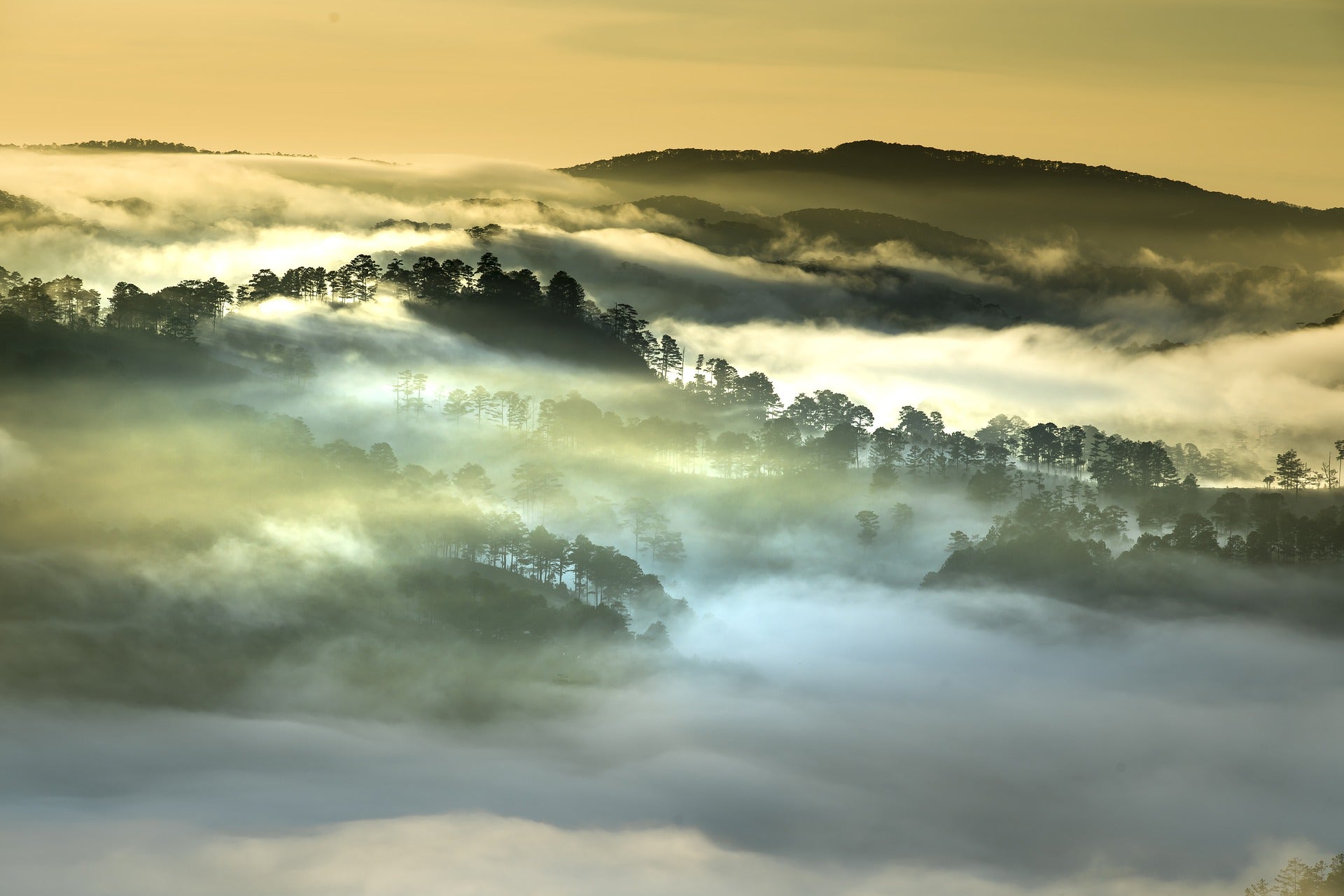
This washed Maragogype comes from smallholder producers in Edelmira Coffee’s network in the highlands of Chiapas, southern Mexico. Farms are situated between roughly 1,300 and 2,000 masl, where coffee is grown under shade, and cherries are delivered to local wet mills for processing. The result is a clean, structured expression of this large-beaned variety that still feels very rooted in Chiapas.
“After our earlier one-off lots of rare, experimental Maragogype, we wanted a more classic version that could stay in the line-up for longer. This is Edelmira’s washed Maragogype, roasted just a touch darker so it works both as an espresso and as filter. In the cup it is super creamy, caramelly, sweet and citrusy, with clarity and freshness and a long, syrupy finish.”
Many of the farmers in Edelmira’s network usually grow varieties such as Bourbon, Catimor and Caturra. This lot comes from small plots of Maragogype that they have chosen to maintain and renew, keeping the variety alive in Chiapas while earning quality-based premiums. Through our Impact Trade partnership, this coffee also supports Edelmira’s community projects in rural Chiapas, including school connectivity initiatives in villages like Emiliano Zapata.
Origin
Mexico
Region
Fraylesca & Los Altos, Chiapas, Mexico
Producer
Edelmira Coffee
Varieties
Maragogype
Processing
Washed
Crop Year
2025
Altitude
1300-2000m.a.s.l.
Roast level
3 out of 6
Flavour Notes
Citrus, Caramel, Chocolate
Roaster
IMF
Batch Size
5 kg
End Temperature
211.0°C
Time
9.32 minutes
Choose options
Chiapas, Mexico
Emiliano Zapata

Keeping Maragogype Alive in Mexico
We REcommend