


ROASTED COFFEE BEANS
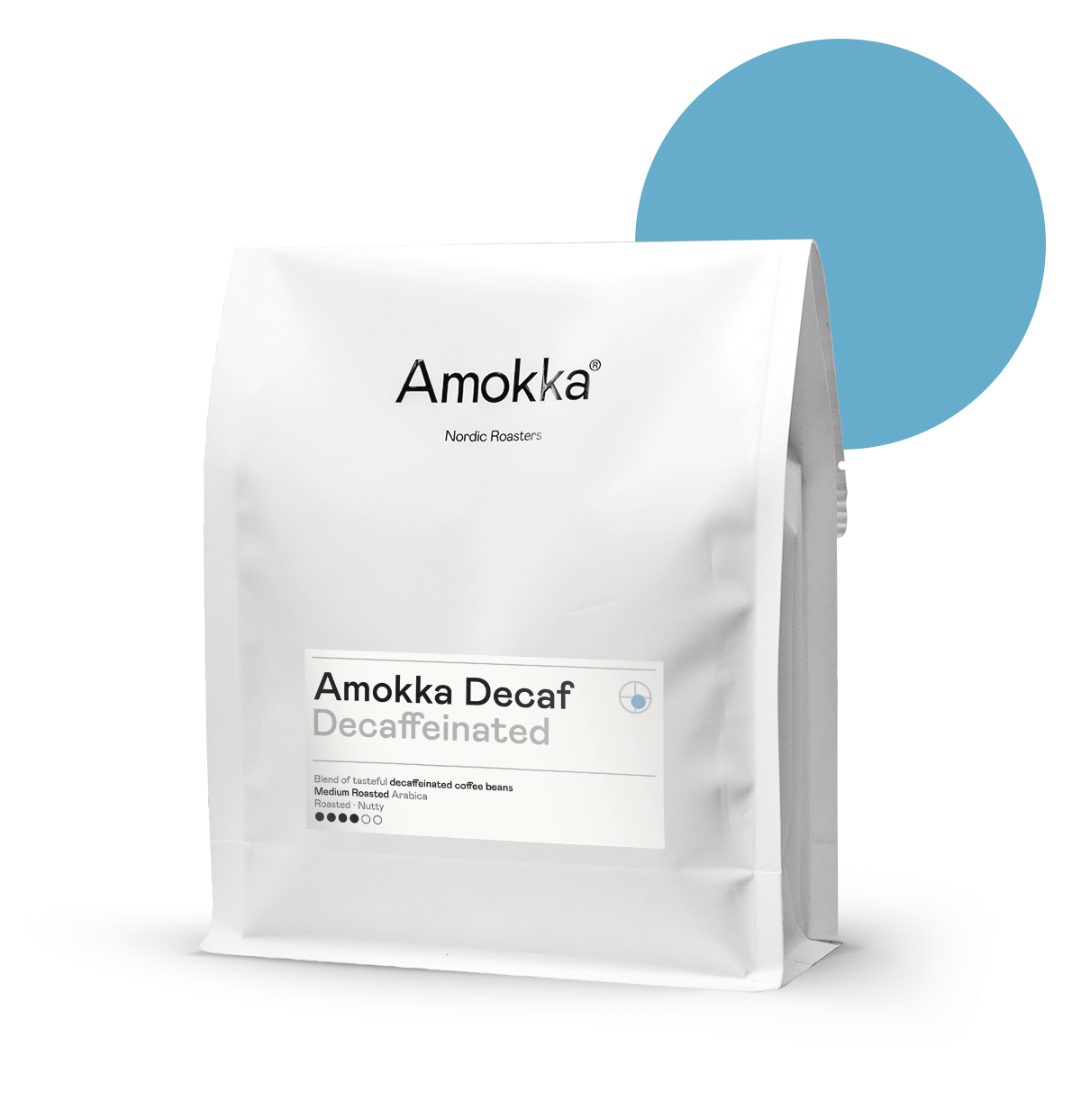
Amokka Decaf
Amokka Decaf is a medium-roasted, decaffeinated Arabica coffee with a smooth, sweet flavour and a long aftertaste. We buy smaller lots, so the origin and varieties can change from season to season.
Choose whole beans if you grind your coffee at home, or select coffee ground for filter brewing or French press. Amokka Decaf is available in 250 g, 500 g and 1 kg bags. Select your preferred size and grind.
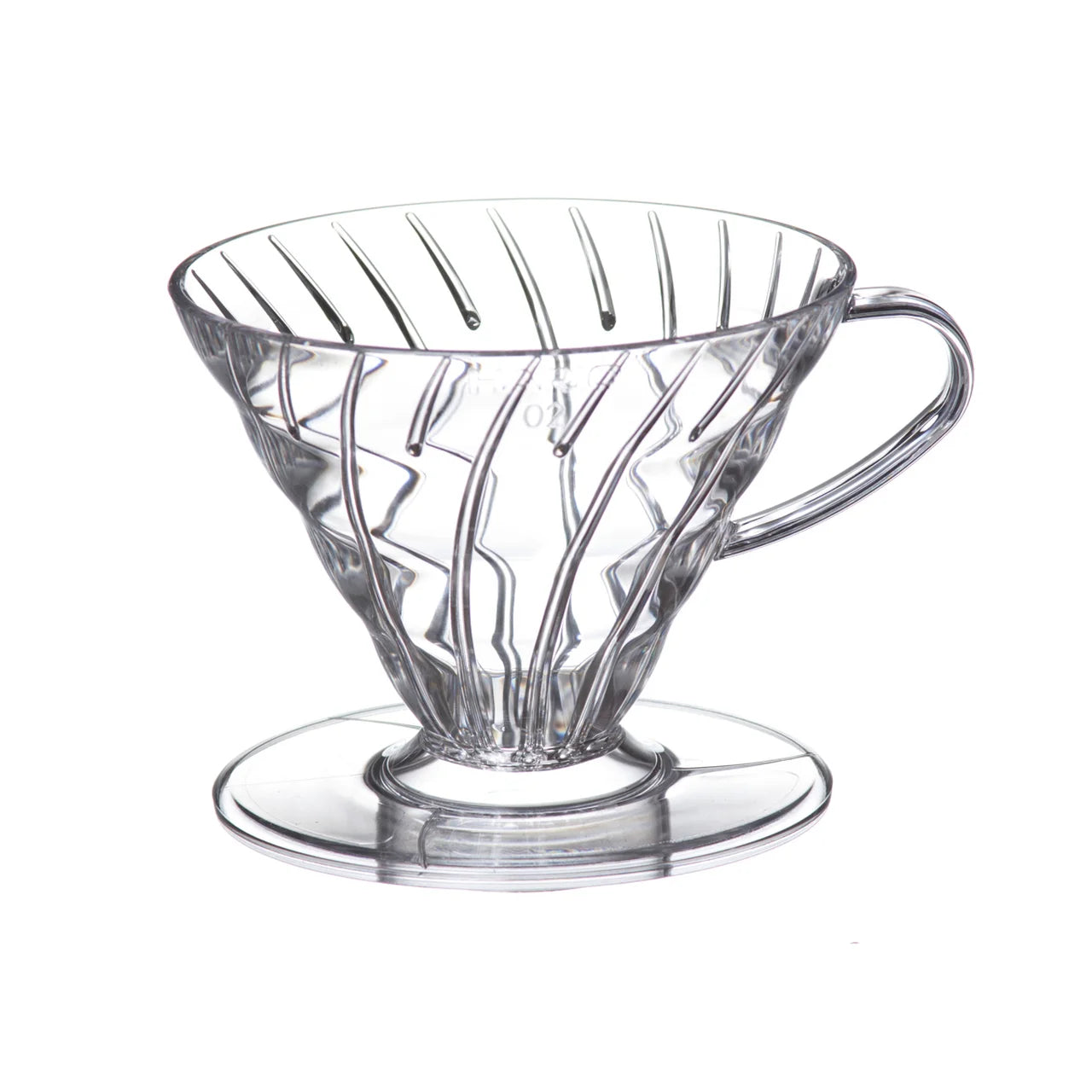
Need help choosing a grind or brewing method? Read our guide to choosing coffee beans, or use our V60 brew guide and recipe calculator for a filter-coffee starting point.
Shipping options and costs are shown at checkout.
Origin
Colombia
Region
Huila
Producer
Cofinet - Exporter
Varieties
Castillo, Caturra, Colombia
Processing
Washed - Sugar cane Decaffeinated
Crop Year
2024
Altitude
1000 - 1500m.a.s.l.
Roast level
3 out of 6
Flavour Notes
Spicy, Roasted, Nutty
Roaster
IMF
Batch Size
70 kg
End Temperature
209.6°C
Time
12.13 minutes

Coffee production in Colombia has a reputation for producing mild, well-balanced coffee beans. Colombia's average annual coffee production of 11.5 million bags is the third total highest in the world, after Brazil and Vietnam, though highest in terms of the arabica bean.
In 2007, the European Union granted Colombian coffee a protected designation of origin status and a few years later in 2011, UNESCO declared the "Coffee Cultural Landscape" of Colombia, a World Heritage site.
Colombia has just about the perfect geography for growing coffee, a sensitive crop which needs exactly the right conditions to thrive. The richness of flavour for which Colombian coffee is celebrated is mainly down to an excellent climate, perfect soil and the exact right amount of rainfall.
Choose options
Cauca, Colombia
Popayán

The Sugar Cane Decaffeination Process
We REcommend